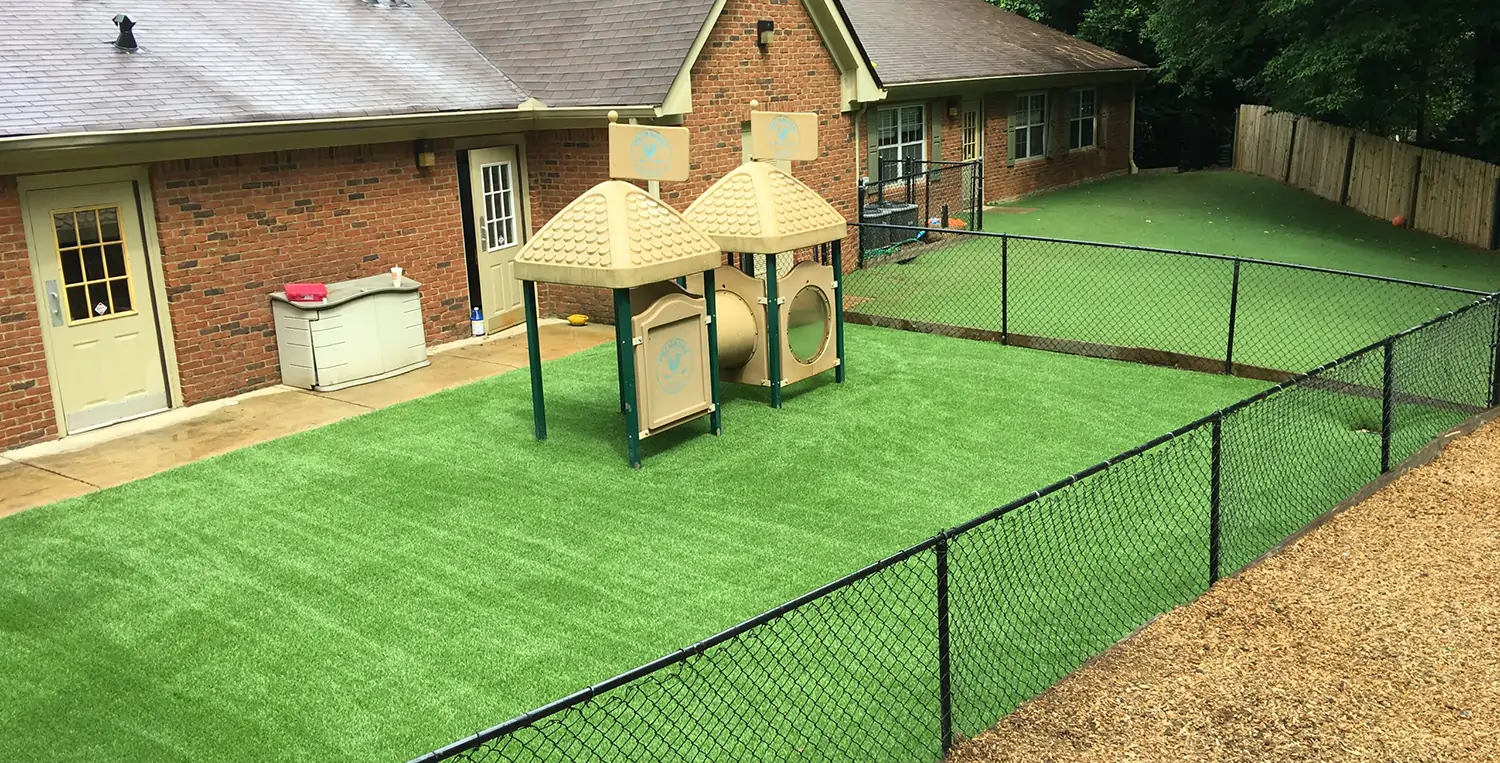
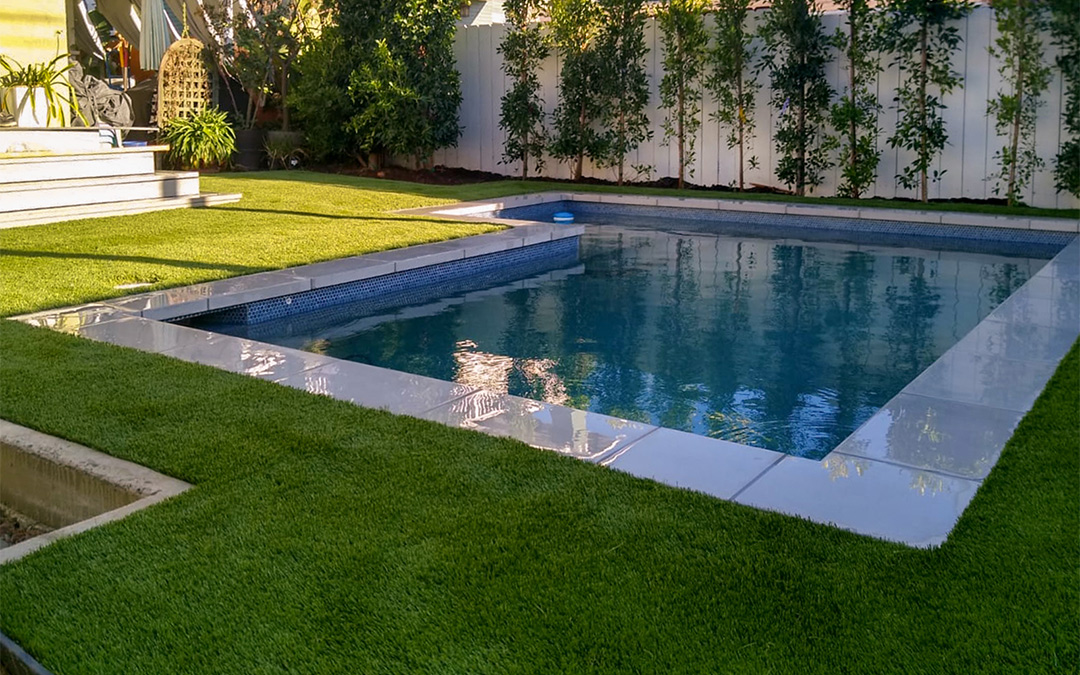
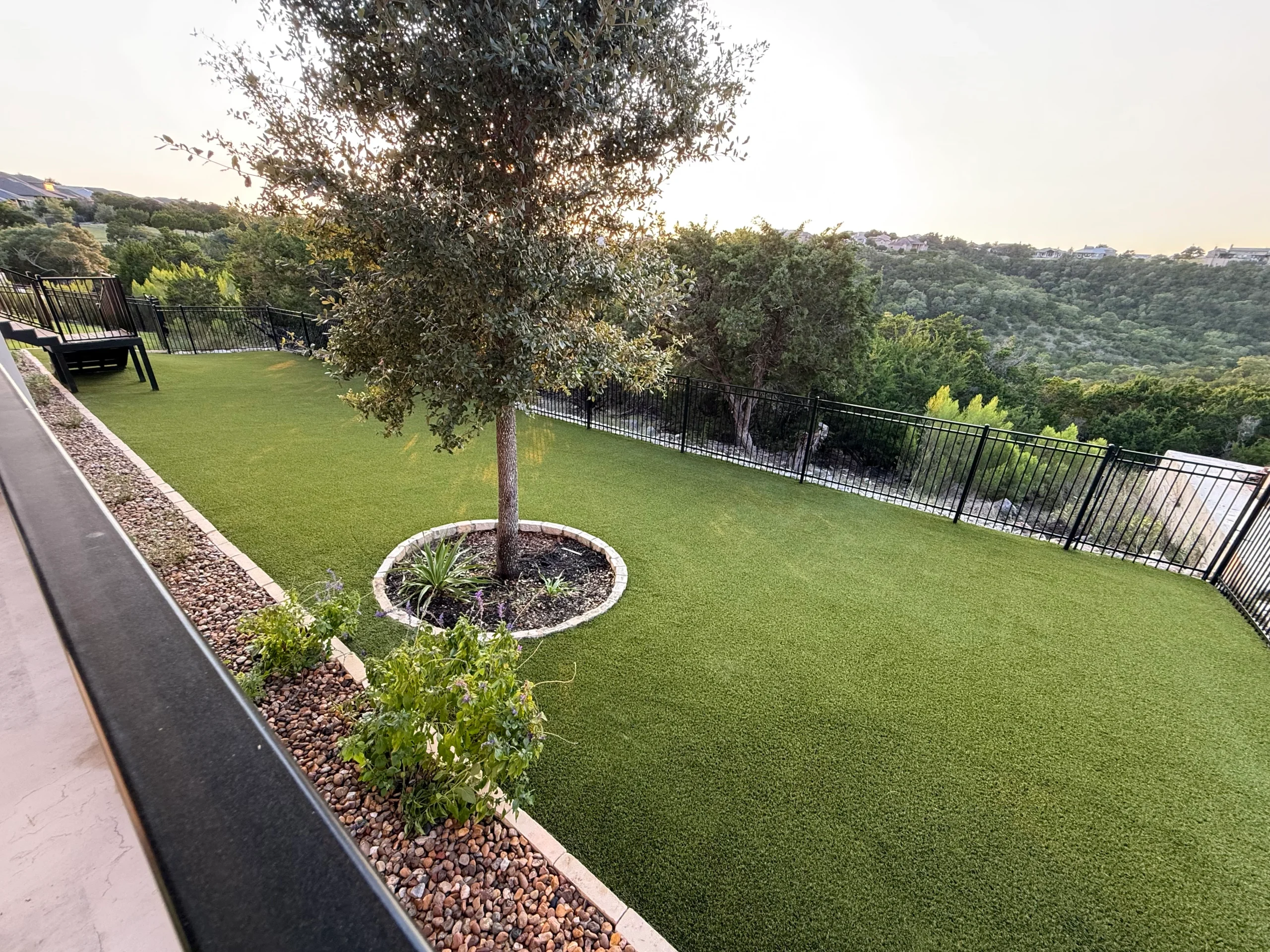
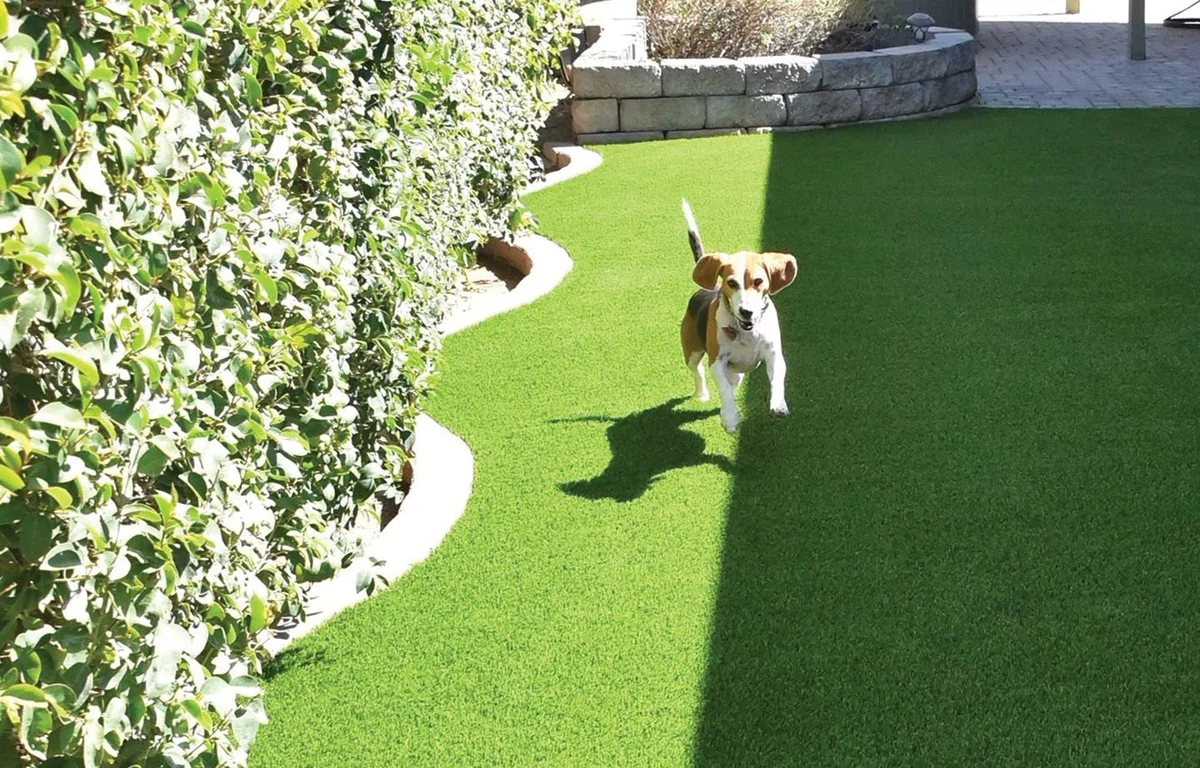
Pet turf is one of the most practically motivated turf decisions a homeowner makes. When the back gate area has been bare dirt and mud for two years, when the dog run smells regardless of how often it is cleaned, when the kids cannot use the backyard after rain because the dog has turned every corner to mud—turf is not a luxury, it is a functional infrastructure decision. Artificial Turf of Tomball builds pet turf scopes with that practical motivation in mind. The technical requirements for a good pet turf installation are more demanding than standard residential turf: the drainage rate must handle the urine load from the number of animals using the zone, the infill must be antimicrobial to prevent odor accumulation, the base must not develop soft spots under the repeated digging pressure that many dogs apply, and the rinse-and-drain path must be accessible and effective for the homeowner's daily routine. In the Tomball service area, the heavy-clay sub-grades that dominate Harris and Montgomery County add a specific challenge to pet turf: clay soils drain slowly, and a pet turf base over clay that is not properly prepared for drainage will become saturated and ineffective within a season. We size drainage layers specifically for the combination of animal load and soil drainage rate at each property. Acreage and ranch properties in Hockley, Magnolia, and Tomball's ranch-edge sections have different pet turf requirements than suburban backyards in Klein or Willowbrook. On large lots, the pet zone is typically part of a broader landscape plan and may need to coexist with well-and-septic infrastructure, caliche drives, and open pasture edges. We scope acreage pet zones with the same land-use awareness we bring to equestrian and ranch applications.