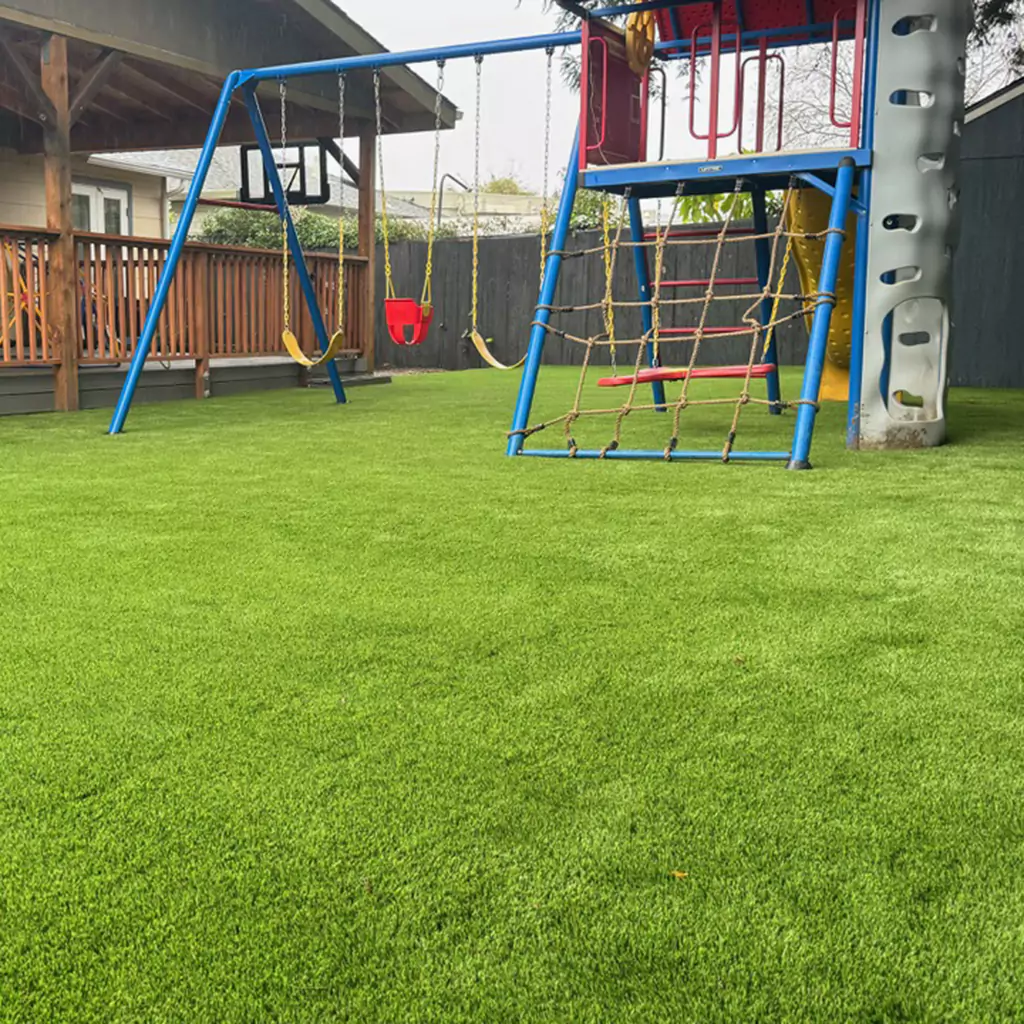
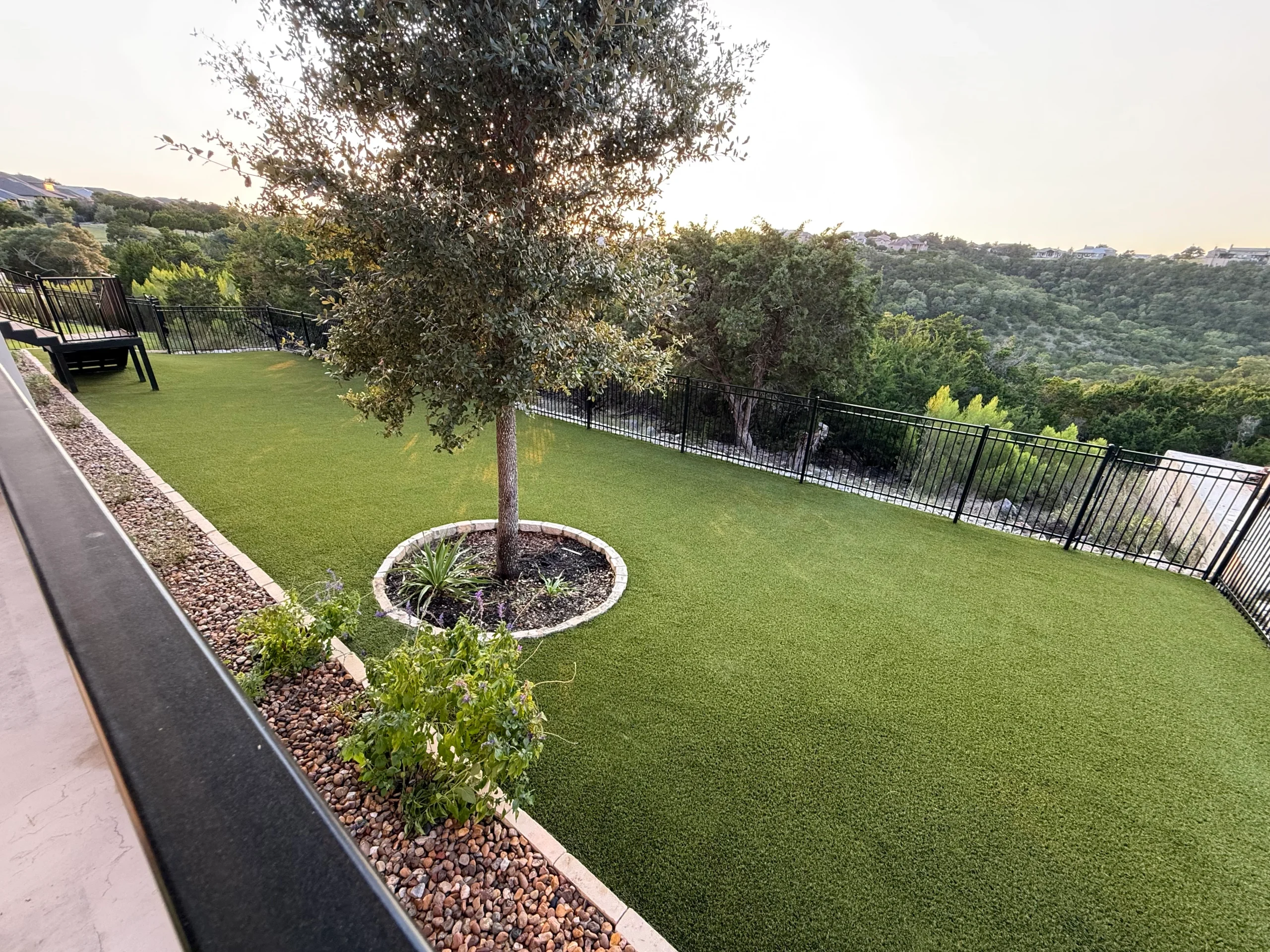
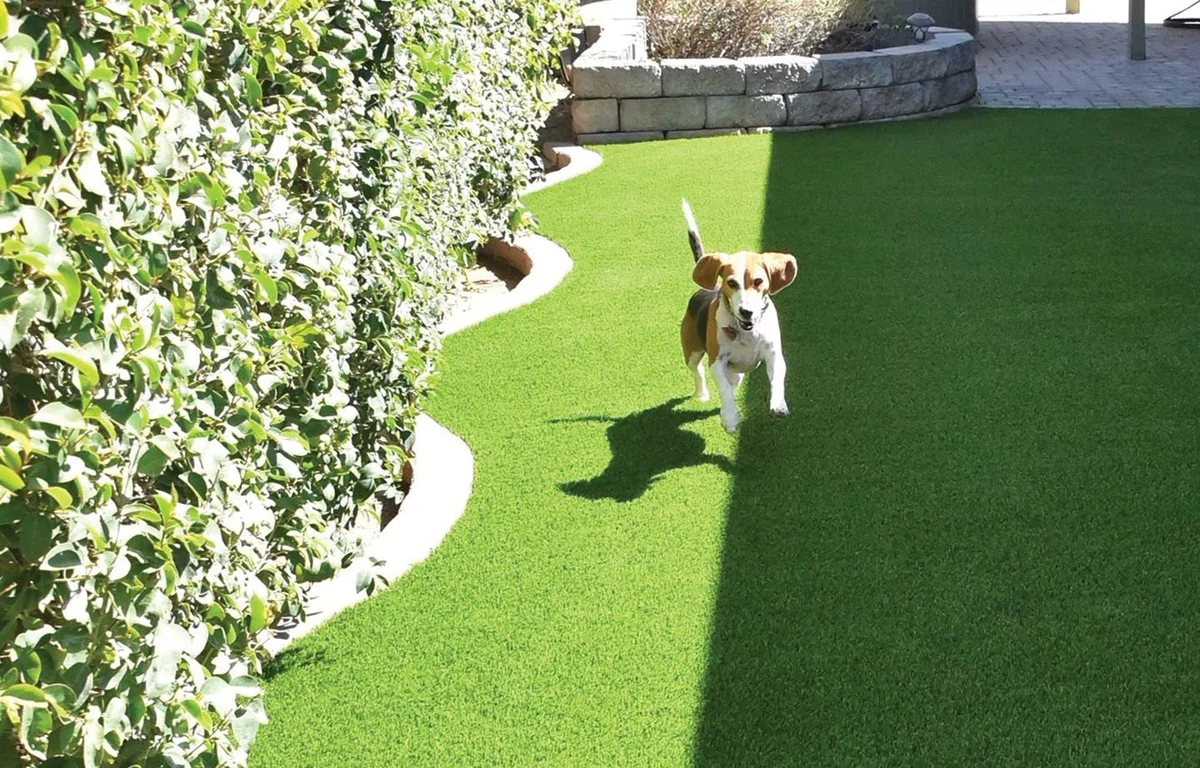
Playground turf in the Tomball service area addresses the same fundamental problem that drives residential and commercial turf adoption across NW Houston—heavy-clay soils that turn to mud after Gulf rain events and then bake hard in summer heat—but with one additional layer of priority: fall-height safety performance. Playground turf is not standard residential turf installed under play equipment. It is a safety surface with specific fall-height and cushioning specifications that protect children during falls from equipment, and those specifications drive the installation differently from any other turf application. Artificial Turf of Tomball installs playground turf for residential homeowners adding play equipment to backyard areas, HOA parks and community recreation facilities, and school or childcare campus playground areas across the Tomball, Hockley, Magnolia, Spring, Cypress, Klein, Willowbrook, and surrounding communities. The clay-soil environment that defines most of the Tomball service area creates specific playground surface challenges: mud accumulation under and around play equipment that creates safety hazards after rain events, compacted bare dirt under high-traffic areas like swing sets and slide exits, and drainage conditions that leave standing water in playground zones for days after storms. Turf eliminates the mud and standing water problem. The fall-height safety system—typically a combination of shock-pad underlayment and infill depth—addresses the cushioning requirement. Every playground turf installation from Artificial Turf of Tomball includes a safety system designed to the ASTM F1292 fall-height standard appropriate for the equipment height at that property. Residential playground equipment typically requires a lower critical fall height than commercial or school equipment, but the standard applies regardless of property type—children fall from play equipment at home the same way they do at a school.